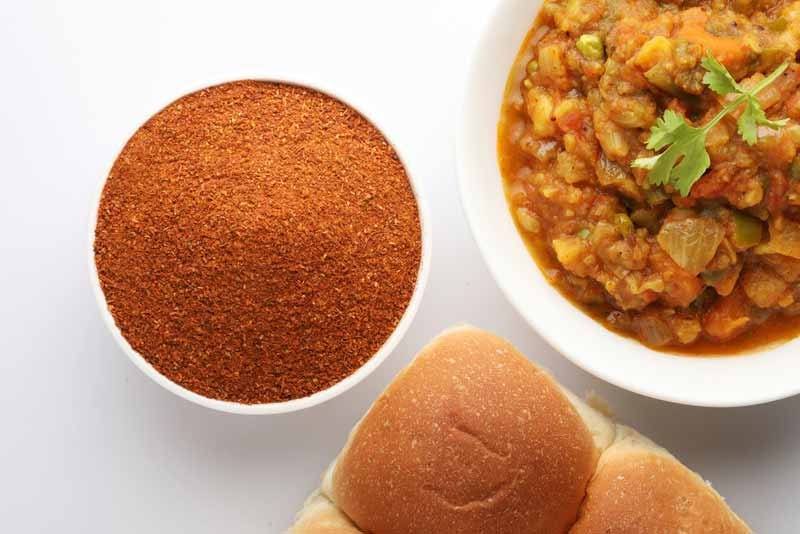
Craving that authentic Mumbai street food flavor? The secret isn't just in the vegetables; it's in the perfect blend of spices. Forget buying pre-made mixes – with this pav bhaji masala recipe, you can create a vibrant, aromatic powder that will transform your Easy, Delicious Pav Bhaji Recipe.
At a glance:
- This recipe guides you through making your own Pav Bhaji Masala from scratch.
- You'll learn about selecting and preparing the right spices.
- We'll cover both sun-drying and oven-drying methods for optimal flavor.
- The guide includes tips for storage and adjusting the spice level to your preference.
- Homemade masala is fresher, more flavorful, and customizable.
What is Pav Bhaji, Anyway?
Before diving into the masala, let's quickly recap what pav bhaji is. Pav bhaji is a beloved Indian street food, originating from Mumbai. It consists of a thick, flavorful vegetable curry (bhaji) served with soft, butter-toasted bread rolls (pav). The magic of the bhaji lies in the pav bhaji masala, a unique blend of spices that gives the dish its characteristic taste and aroma. It is a taste of Try Bombays Famous Pav Bhaji.
Why Make Your Own Pav Bhaji Masala?
Sure, you can buy pre-made pav bhaji masala at most Indian grocery stores. So why go to the trouble of making your own?
- Superior Flavor: Freshly ground spices have a much richer and more potent flavor than pre-packaged blends, which can often be stale.
- Customization: You control the ingredients. Want it spicier? Add more chili. Prefer a smoky note? Increase the black cardamom. You can tailor the blend to your exact preferences.
- No Additives: Homemade masala is free from artificial colors, preservatives, and fillers often found in commercial versions.
- Cost-Effective: If you cook Indian food regularly, you likely already have most of these spices on hand. Buying them whole and grinding them yourself can be more economical.
- The Satisfaction Factor: There is something incredibly rewarding about creating your own spice blend. It elevates your cooking and makes the final dish taste even better! You will Make your own Pav Bhaji Masala.
Key Spices for Authentic Pav Bhaji Masala
The exact spice blend for pav bhaji masala can vary slightly from region to region and even from family to family. However, certain spices are essential for achieving that authentic flavor: It is important to know Key Ingredients for Pav Bhaji.
- Coriander Seeds: Provide a warm, citrusy base.
- Cumin Seeds: Add an earthy, smoky note and digestive benefits.
- Dried Red Chilies: Contribute heat and color. Adjust the quantity and type according to your spice preference.
- Fennel Seeds: Lend a subtle sweetness and anise-like aroma.
- Black Peppercorns: Add a sharp, pungent bite.
- Cloves: Provide warmth and a slightly sweet, aromatic flavor.
- Cinnamon Sticks: Contribute warmth and a sweet, woody aroma.
- Black Cardamom: Offers a smoky, menthol-like flavor (distinct from green cardamom).
- Star Anise: Adds a licorice-like aroma and flavor.
- Mace: The outer covering of the nutmeg seed, mace adds a warm, spicy, and slightly floral note.
- Nutmeg: Provides a warm, nutty, and slightly sweet flavor.
- Dried Ginger Powder (Saunth): Adds a pungent, warm, and slightly sweet flavor.
- Dried Mango Powder (Amchur): Lends a tangy, sour, and fruity flavor. Essential for balancing the other spices.
- Turmeric Powder: Adds color and earthy flavor (optional).
- Black Salt (Kala Namak): Contributes a distinctive sulfurous, umami flavor that enhances the overall taste.
The Ultimate Pav Bhaji Masala Recipe
This recipe yields approximately 100 grams of pav bhaji masala, enough for several batches of delicious bhaji. You can easily scale the recipe up or down as needed.
Ingredients:
- ¼ cup cumin seeds (26 grams)
- 2 tablespoons fennel seeds (saunf) (15 grams)
- 2 tablespoons coriander seeds (11 grams)
- 1 tablespoon mace (3 grams)
- 1 tablespoon cloves (6 grams)
- 1 tablespoon black peppercorns (10 grams)
- 2 black cardamoms (5 to 6 grams)
- 3 star anise (2 grams)
- 1 small nutmeg (5 grams)
- 5 cinnamon sticks (4 grams)
- 5-6 dried red chilies, seeds removed (4 grams) – use Kashmiri chilies for less heat
- 1 tablespoon dried ginger powder (saunth)
- 2 tablespoons dried mango powder (amchur powder)
- 2 teaspoons black salt (kala namak)
- 1 teaspoon turmeric powder (optional)
Equipment: - Plate or tray for drying spices
- Clean cloth or wired mesh lid
- Dry grinder (spice grinder or coffee grinder)
- Mortar and pestle (optional, for crushing nutmeg)
- Sieve
- Airtight glass jar
Instructions:
- Sun-Drying (Recommended) or Oven-Drying:
- Sun-Drying: Spread all whole spices (except powdered spices) on a plate or tray. Cover with a clean cloth or wired mesh lid to protect from dust. Place in direct sunlight for 2-3 days, bringing them indoors at night. The spices should become crisp and lose any moisture.
- Oven-Drying (Alternative): Preheat your oven to the lowest possible setting (between 50°C/122°F and 80°C/194°F). Spread the whole spices on a baking sheet and dry for 6 to 15 hours, depending on the oven temperature. Keep a close eye on them to prevent burning.
- Prepare the Nutmeg (if using): Coarsely crush the nutmeg using a mortar and pestle. This helps it grind more evenly.
- Grind the Spices: Add all the dried whole spices, including the crushed nutmeg, to your dry grinder. Grind to a smooth and fine powder.
- Add Powdered Spices: Add the dried ginger powder, dried mango powder, black salt, and turmeric powder (if using) to the ground spices.
- Mix Well: Grind again briefly (just a few seconds) to thoroughly combine all the ingredients.
- Sieve (Optional): Sieve the masala powder to remove any larger particles. Grind any remaining bits and add them back to the mixture. Some people prefer to skip this step.
- Cool and Store: Allow the masala powder to cool completely before transferring it to a clean, dry airtight glass jar. Store in a cool, dry place, away from direct sunlight. You can also store it in the refrigerator or freezer to extend its shelf life. Make Flavorful Pav Bhaji Masala
Tips for the Best Pav Bhaji Masala
- Quality of Spices: Use the freshest, highest-quality whole spices you can find for the best flavor.
- Drying is Key: Thoroughly drying the spices is crucial for preventing the masala from clumping and extending its shelf life.
- Gentle Grinding: Avoid over-grinding the spices, as this can generate heat and diminish their flavor. Grind in short bursts, allowing the grinder to cool down in between.
- Spice Level: Adjust the amount of dried red chilies according to your spice preference. For a milder masala, use Kashmiri chilies. You can always add more chili powder to the bhaji while cooking if needed.
- Storage: Store the masala in an airtight container in a cool, dry place away from direct sunlight and moisture. Properly stored, it should last for several months.
Customizing Your Pav Bhaji Masala
One of the great things about making your own pav bhaji masala is the ability to customize it to your liking. Here are a few ideas:
- For a Smoked Flavor: Add 1-2 smoked paprika or chipotle powder to the ground masala.
- For Extra Tanginess: Increase the amount of amchur powder.
- For a Warmer Flavor: Add ½ teaspoon of ground cardamom or allspice.
- For a More Complex Flavor: Add a pinch of asafoetida (hing) to the ground masala. (Use sparingly, as it has a strong flavor).
How Much Pav Bhaji Masala to Use
The amount of pav bhaji masala you need will depend on the quantity of bhaji you are making and your personal taste preference. As a general guideline, start with 2-3 teaspoons of masala per 4-5 servings of bhaji. Taste and adjust as needed. Remember, homemade masala is often more potent than store-bought versions, so it's best to start with less and add more gradually. You need Whats in pav bhaji masala to get the best taste.
Troubleshooting Common Issues
- Masala is too clumpy: This usually indicates that the spices were not dried thoroughly enough before grinding. You can try spreading the masala on a baking sheet and drying it in a low oven for a short period.
- Masala is not flavorful enough: Make sure you are using fresh, high-quality spices. You may also need to increase the quantity of masala you are using in your bhaji.
- Masala is too spicy: Reduce the amount of dried red chilies in your next batch. You can also try adding a small amount of sugar or jaggery (Indian palm sugar) to the bhaji to balance the heat.
- Can't find black salt: If you can't find black salt, you can substitute it with regular salt or edible rock salt. However, black salt has a unique flavor that is difficult to replicate, so it's worth seeking out if possible.
Alternatives and Substitutions
- No Dried Mango Powder (Amchur): If you can't find amchur powder, you can substitute it with an equal amount of lemon juice or tamarind paste. However, the flavor will be slightly different.
- No Black Cardamom: If you don't have black cardamom, you can omit it or substitute it with a pinch of smoked paprika.
- No Mace: If you don't have mace, you can omit it or substitute it with a pinch of nutmeg.
Using Your Homemade Pav Bhaji Masala
Of course, the primary use for your homemade pav bhaji masala is to Make Delicious Pav Bhaji! But don't limit yourself. This versatile spice blend can also be used to:
- Season other vegetable dishes
- Add flavor to stir-fries
- Spice up lentil soups (dals)
- Make aromatic marinades for grilled meats or vegetables. Some even Perfect Pav Bhaji Recipe.
Ready to Elevate Your Pav Bhaji?
Now that you've mastered the art of making your own pav bhaji masala, it's time to put it to use. Gather your ingredients, follow the recipe, and get ready to experience the authentic flavors of Mumbai street food. The best part is that you Make Delicious Pav Bhaji. And if you are running low consider a DIY Pav Bhaji Masala Recipe. Your taste buds will thank you! Consider trying the Make Mumbai-Style Pav Bhaji.
