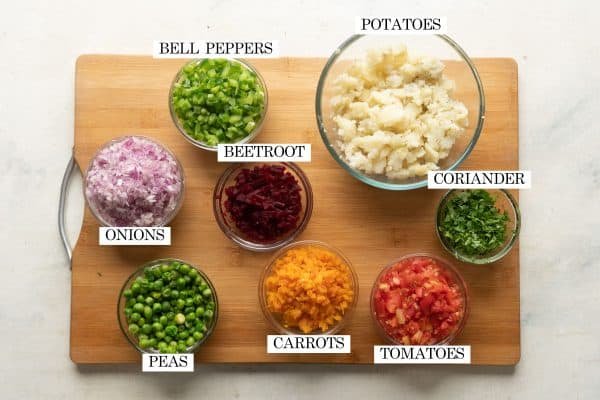
Ever wondered what makes Pav Bhaji, that iconic Mumbai street food, so irresistible? The magic lies not just in the cooking technique, but in the careful selection and balance of pav bhaji ingredients. Getting the right ingredients, especially the spice blend, is crucial for recreating that authentic flavor at home.
At a Glance:
- Discover the core spices that define authentic Pav Bhaji Masala.
- Learn how ingredient quality impacts the final dish.
- Understand how to adjust spice levels to your preference.
- Explore the role of each ingredient beyond just flavor.
- Get tips for sourcing and storing your pav bhaji ingredients.
The Star Players: Core Spices for Authentic Flavor
At the heart of Pav Bhaji is the pav bhaji masala. And at the heart of that are a few essential spices. Each contributes a unique note, and their interplay is what gives Pav Bhaji its distinctive, complex flavor.
- Coriander Seeds: Provides a warm, citrusy, and grounding base note.
- Cumin Seeds: Adds an earthy, smoky depth and a touch of warmth.
- Dried Red Chilies: (Kashmiri or Byadagi recommended): Contributes the heat and vibrant color. Crucial!
- Dried Mango Powder (Amchur): Imparts a tangy, sour flavor that balances the richness of the dish.
- Black Salt (Kala Namak): Offers a distinctive sulfurous aroma and flavor, enhancing the umami.
- Cinnamon: Adds warmth and a subtle sweetness. Ceylon cinnamon is preferred for its delicate flavor.
These six ingredients are non negotiable. They form the backbone of any good Pav Bhaji Masala. But the best blends go much further.
Building Complexity: Secondary Spices That Elevate the Dish
While the core spices provide the foundation, a range of secondary spices adds layers of complexity and depth. These aren't strictly necessary, but they definitely elevate the dish.
- Fennel Seeds (Saunf): Lends a sweet, licorice-like aroma and flavor.
- Cloves: Provides warmth and a pungent, slightly sweet note. Use sparingly; they can easily overpower.
- Black Pepper: Adds a sharp, pungent heat that complements the chilies.
- Black Cardamoms: Offer a smoky, almost menthol-like aroma and flavor.
- Star Anise: Imparts a strong licorice flavor and aroma similar to fennel but more intense.
- Nutmeg: Adds a warm, subtly sweet, and nutty flavor.
- Dried Ginger Powder (Saunth): Provides a warm, pungent, and slightly sweet flavor.
- Turmeric Powder (Optional): Mainly for color, but also adds a subtle earthy flavor.
- Bay Leaves: Contributes a subtle, tea-like aroma.
- Mace: Adds a warm, fragrant, slightly sweet, and spicy flavor similar to nutmeg, but more delicate.
- Green Cardamoms: Offers a sweet, floral aroma and flavor.
Think of these secondary spices as the supporting actors in a movie – they might not be the stars, but they add depth and richness to the overall experience.
Fresh vs. Dried: Impact on Flavor and Aroma
Generally, using whole spices and toasting them before grinding results in a much more vibrant and aromatic masala compared to using pre-ground spices. The essential oils in whole spices are released during toasting, maximizing flavor. However, sometimes using powdered form is easier. This is why the Make homemade Pav Bhaji masala recipe is a great place to start.
Consider this: Ground cumin loses its aroma much faster than whole cumin seeds. Grinding your own spices, even if only for a few ingredients, can make a big difference.
Spice Quality: What to Look For
Not all spices are created equal. Here's what to consider when sourcing your pav bhaji ingredients:
- Aroma: Fresh spices should have a strong, distinct aroma. If they smell faint or musty, they're probably old.
- Color: Vibrant color indicates freshness. Avoid spices that look faded or dull.
- Source: Whenever possible, buy spices from reputable sources that specialize in spices. Ethnic grocery stores or online spice retailers often offer better quality than standard supermarkets.
- Whole vs. Ground: As mentioned earlier, opt for whole spices whenever possible, especially for ingredients like cumin, coriander, and cardamom.
Adjusting Spice Levels: Customizing Heat and Flavor
Pav Bhaji can range from mild to fiery. Here's how to control the heat:
- Red Chilies: This is the primary source of heat. Use Kashmiri or Byadagi chilies for less heat and more color. Adjust the quantity based on your preference. Remove the seeds from the chilies for even less heat.
- Black Pepper: Adds a different kind of heat – more pungent and less fiery than red chilies. Adjust the quantity to your liking.
- Other Options: For a low heat masala, use Kashmiri/byadgi/mathania chilies. The amount of black pepper can be adjusted/skipped for lower heat.
Remember, you can always add more spice later, but it's hard to take it away! Start with a smaller amount of chilies and black pepper, and taste as you go.
Beyond Flavor: The Functional Role of Spices
While flavor is the primary reason for using pav bhaji ingredients, they also offer other benefits:
- Color: Red chilies and turmeric contribute to the dish's vibrant color, making it more appealing.
- Digestive Properties: Many spices, such as cumin, ginger, and black pepper, are known to aid digestion.
- Preservation: Some spices, like cloves and cinnamon, have antimicrobial properties that can help preserve the dish.
Storage: Keeping Your Spices Fresh
Proper storage is crucial for maintaining the flavor and aroma of your pav bhaji ingredients.
- Airtight Containers: Store spices in airtight glass or metal containers to prevent moisture and air exposure.
- Cool, Dark Place: Keep spices in a cool, dark place away from direct sunlight and heat. A pantry or cupboard is ideal.
- Avoid Humidity: Humidity can cause spices to clump and lose their flavor. Avoid storing spices near the stove or sink.
- Refrigeration (Optional): Some spices, particularly those with high oil content like red chilies, can benefit from refrigeration, especially in hot and humid climates.
- Freezing (Optional): For dried chilies and spices has been refrigerated/ frozen, gently warm them up in a pan to aid in shelf life of the masala.
Storing your homemade pav bhaji masala diligently ensures you get the most out of it.
Practical Playbook: Sourcing, Roasting, and Blending
Here's a practical guide to getting the most out of your pav bhaji ingredients:
1. Sourcing:
- Local Markets: Visit ethnic grocery stores or spice markets for the freshest and most diverse selection.
- Online Retailers: Reputable online spice retailers offer high-quality spices and convenient delivery.
- Read Reviews: Before buying online, read reviews to ensure the retailer is trustworthy and offers fresh spices.
2. Roasting: - Low Heat: Roast spices over low heat to prevent burning and bitterness.
- Individual Roasting: Roast each spice separately, as they have different roasting times.
- Visual Cues: Spices are ready when they become fragrant and slightly darker in color.
3. Blending: - Cool Spices: Allow roasted spices to cool completely before grinding.
- Dry Grinder: Use a dry grinder or coffee grinder to grind spices into a fine powder.
- Pulse Grind: Pulse the grinder to prevent overheating and clumping.
- Sieving (Optional): Sieve the ground spices for a smoother texture.
Quick Answers: FAQs About Pav Bhaji Ingredients
Q: Can I use pre-ground spices instead of whole spices?
A: Yes, you can, but the flavor will be less intense. If using pre-ground spices, buy them from a reputable source and check the expiration date. Use fresh spices whenever possible for the best results.
Q: How can I make Pav Bhaji Masala without red chilies?
A: You can substitute red chilies with Kashmiri red chili powder for color and a very mild heat. Alternatively, you can use paprika for color only. Adjust other spices to balance the flavor.
Q: My Pav Bhaji Masala is too bitter. What went wrong?
A: Over-roasting the spices or using old spices can cause bitterness. Ensure you roast spices over low heat and use fresh spices.
Q: How long does homemade Pav Bhaji Masala last?
A: Homemade Pav Bhaji Masala can last up to 2 months at room temperature, 6 months in the refrigerator, or up to a year in the freezer, when stored properly in an airtight container.
Takeaway: Your Path to Pav Bhaji Perfection
Mastering the art of Pav Bhaji starts with understanding the individual pav bhaji ingredients and how they work together. By choosing high-quality spices, roasting them properly, and blending them with care, you can create a Pav Bhaji Masala that rivals the best street food vendors in Mumbai. Now, go forth and create!
